
The Real Impact of Beach Cleanups
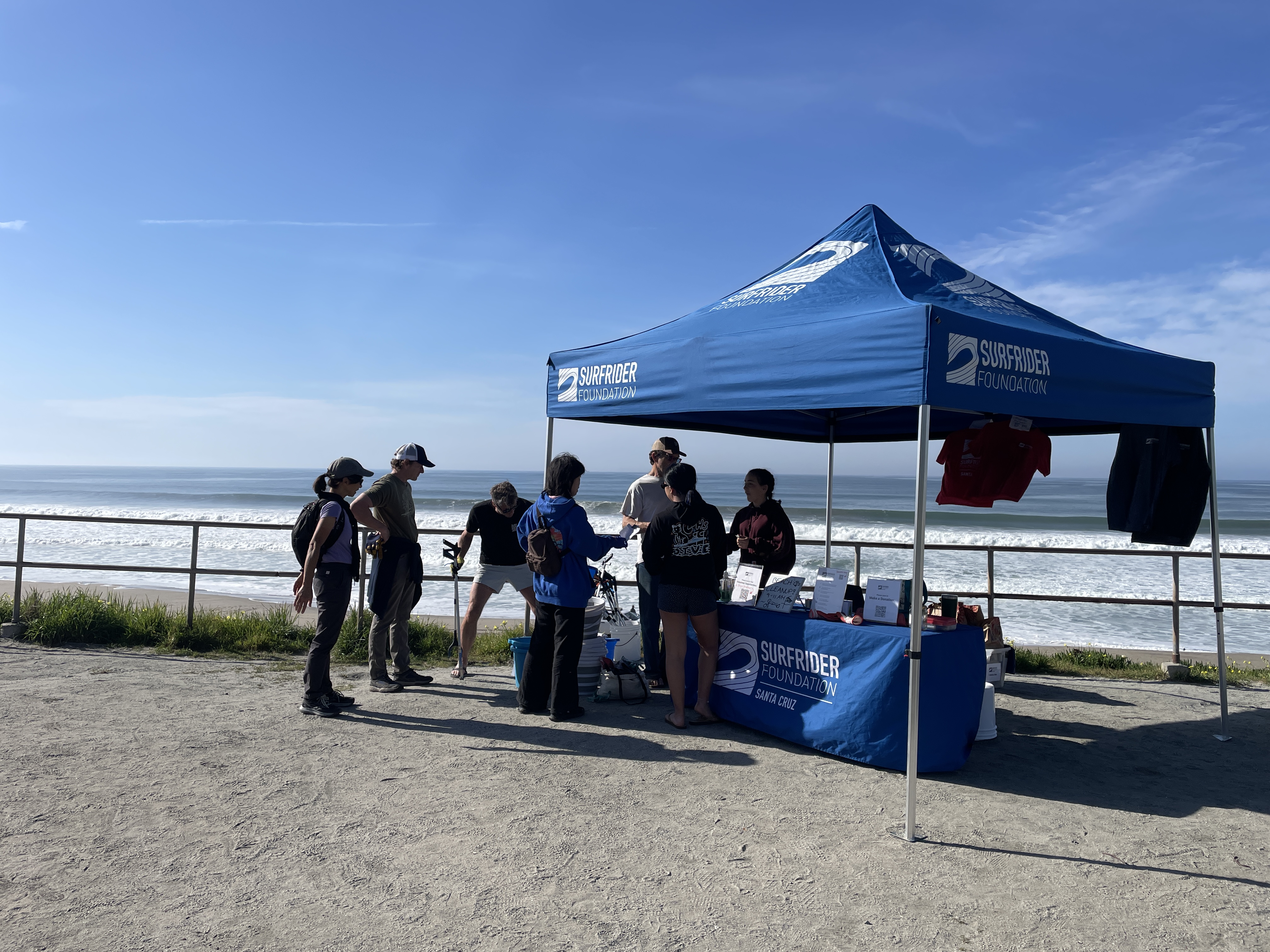
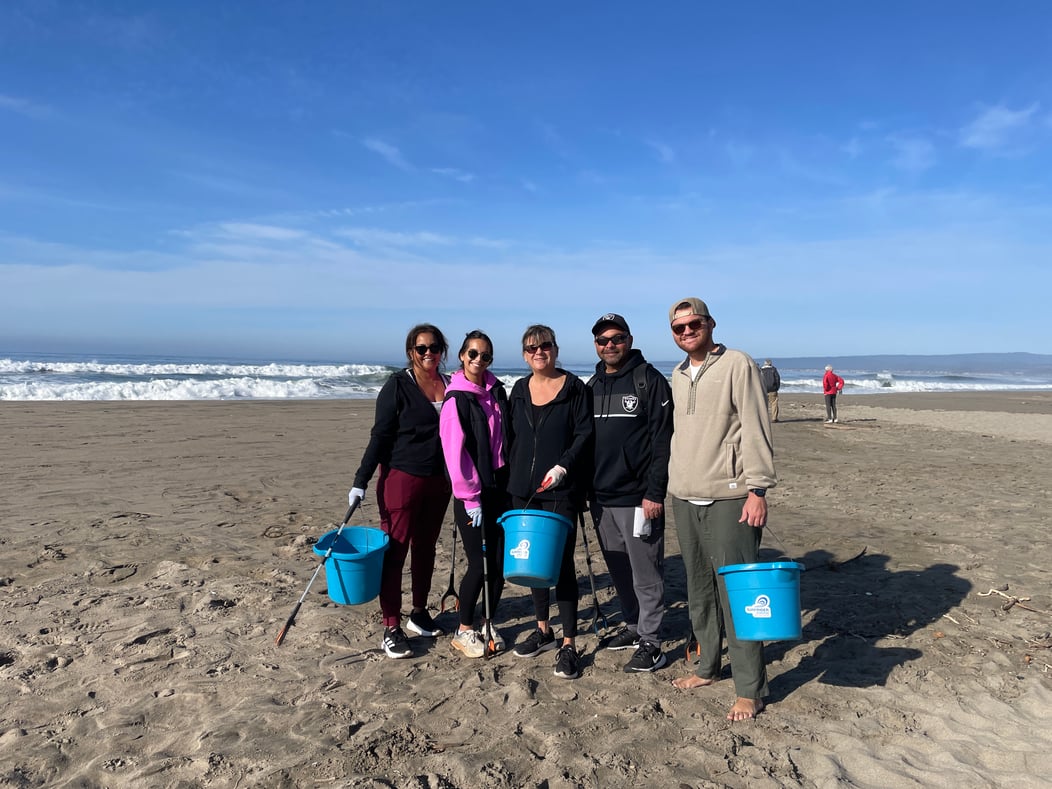
On Sunday, February 1, 48 of our amazing volunteers rallied to clean up the endless sands of Manresa State Beach. Thank you to everyone who showed up to help out! Here are a few results from the day:
🗑️ Pounds of trash collected: 31 lbs
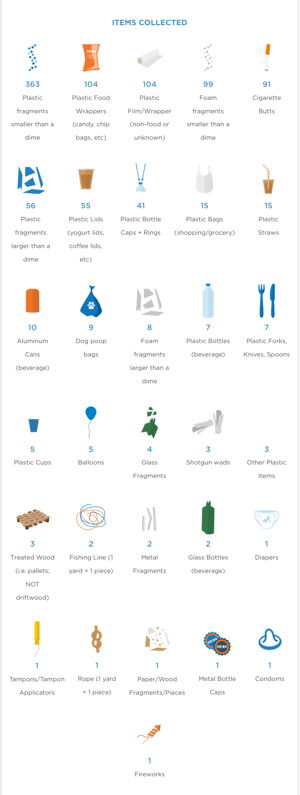
♻️ Pieces of plastic collected: 777 (of various items and sizes, which can be seen below)
🚬 Cigarette butts picked up: 91
✨ Standout finds: Tiny plastic fragments (363 pieces) were the most common find—evidence of plastic breaking down into persistent microplastics.
Of course, clearing trash off the sand feels good—but there are other reasons we show up to these beach cleanups too!
Here’s why your participation matters:
1. Documentation & Policy Change
Removing litter is vital—but tracking what we collect is equally important.
Knowing what types of trash show up most often helps us understand which items are polluting our beaches. We can then turn to local policymakers and target solutions that prevent that trash from ever reaching the shore.
Cleanup data informs local policy decisions—everything from single-use plastic bans to better stormwater controls—giving those materials less chance of reaching our ocean in the first place.
2. Small Pieces = Big Problems: Plastics & Microplastics
Huge carpets and left-over styrofoam coolers are important to remove (and not leave on our precious beaches!?) but it’s not just the big, visible pieces of trash that pose a threat. Tiny plastics—from bottle fragments to microplastics (particles smaller than 5 mm)—are especially concerning because they enter the ocean food web at the bottom and work their way up.
Here’s how that happens:
-
Microplastics are ingested by tiny marine organisms, like plankton and filter feeders.
-
These organisms are eaten by small fish, which are then eaten by larger fish, and so on—a process called bioaccumulation and biomagnification.
-
At every level, plastics and the toxic chemicals they carry get more concentrated, eventually reaching top predators—including humans.
A recent peer-reviewed article ("From Sea to Plate: The Plastic Pollution Problem in the Food Chain") explains that microplastics have infiltrated marine ecosystems around the world and are now found in fish, shellfish, and other seafood—meaning they are literally moving from sea to dinner plate through the food chain.
3. Community & Well-Being
Beach cleanups aren’t just good for the environment—they’re good for our communities and for our health!
-
Connect with neighbors who care about the planet
-
Get outside and enjoy nature (fresh air, sunshine, movement!)
-
Inspire younger generations to be environmental stewards
-
See real results from your efforts—both on the shore and in local environmental progress
Thanks again to everyone who showed up, pitched in, and helped protect Manresa State Beach. Every piece picked up, every data point recorded, and every conversation had on the sand makes a real difference—for our coast, our community, and the ocean we all share.
---
Citations: From Sea to Plate: The Plastic Pollution Problem in the Food Chain