
Conserve Blake Plateau
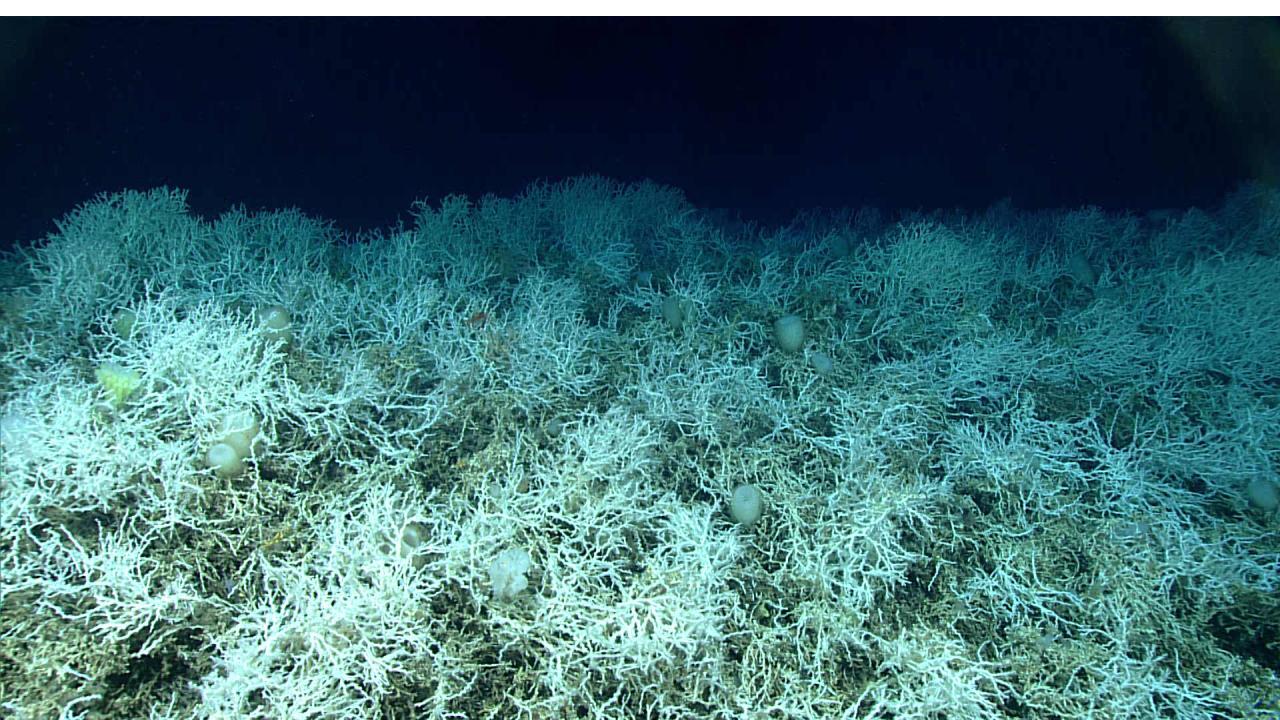
Protect the Blake Plateau, the world’s largest deep sea coral reef habitat, significant cultural space for the Gullah/Geechee people, and refuge for sea turtles, fish, seabirds and whales.
The Blake Plateau, which holds the world's largest deep sea coral reef habitat, currently sits off the coasts of North Carolina, South Carolina, Georgia, and parts of Florida and are currently unprotected. This can make the area susceptible to harmful mining practices.
As the Office of National Marine Sanctuaries begins its process to update the Gray’s Reef sanctuary management plan, we have a prime opportunity to expand the sanctuary’s boundaries, offering a more holistic look at the entire ocean system and safeguarding key parts of the nearby Blake Plateau.
Surfrider is joined by multiple organizations on this effort, you can learn more and view our coalition partners at https://conserveblakeplateau.org/
- The Gray’s Reef National Marine Sanctuary Advisory Council recently passed a resolution calling on NOAA to evaluate options for enhancing Blake Plateau protection during the sanctuary’s upcoming management plan review process.
- The resolution “recognizes the ecological importance and conservation value” of key areas on the Blake Plateau and “recommends that the protection of deep-water coral ecosystems in the Blake Plateau, by extending sanctuary protections or other measures, be evaluated during the upcoming review and update of the Sanctuary’s Management Plan.”
- Future public discussions about Blake Plateau protections as well as other potential changes to the sanctuary’s management plan will occur later this year when NOAA holds public meetings to advise the upcoming plan.
Here's the resolution language:
Resolution of the Gray’s Reef National Marine Sanctuary Advisory Council Regarding the Blake Plateau
WHEREAS, the Sanctuary Advisory Council (“SAC”) for Gray’s Reef National Marine Sanctuary was established under the authority of the National Marine Sanctuaries Act, 16 U.S.C. § 1431 et seq., and is authorized to provide advice and recommendations to the Office of National Marine Sanctuaries on the management and protection of the Gray’s Reef National Marine Sanctuary (“the Sanctuary”); and
WHEREAS, the Office of National Marine Sanctuaries will be undertaking a review and update of the Sanctuary’s Management Plan pursuant to 16 U.S.C. § 1434(e), during which recommendations for boundary modifications may be considered; and
WHEREAS, the SAC recognizes the ecological importance and conservation value of several deep-sea habitats located on the Blake Plateau, including the Northern Million Mounds, Central Million Mounds, Southern Million Mounds, Central Blake Knolls, the Stetson/Richardson Complex, and the Blake Ridge Diapir Cold Seep; and
WHEREAS, the SAC finds that these habitats are not only rich in deep-water coral ecosystems and geologic complexity, but also share important ecological connections with the existing Sanctuary, including shared species, oceanographic processes, and migratory pathways that link the shallow and deep-sea ecosystems of the South Atlantic Bight; and
WHEREAS, members of the public, national and regional conservation organizations, and marine scientists have expressed support for an expansion of the Sanctuary’s boundaries to include areas associated with the Blake Plateau.
WHEREAS, the SAC finds that existing or new protections of deep-water coral ecosystems are consistent with the purposes of the National Marine Sanctuaries Act.
NOW, THEREFORE, BE IT RESOLVED, that the SAC recommends that the protection of deep-water coral ecosystems in the Blake Plateau, by extending sanctuary protections or other measures, be evaluated during the upcoming review and update of the Sanctuary’s Management Plan